
The Mona Lisa – probably the world’s most famous work of art – it has been questioned, studied, disputed, copied – even attacked, and sung about!
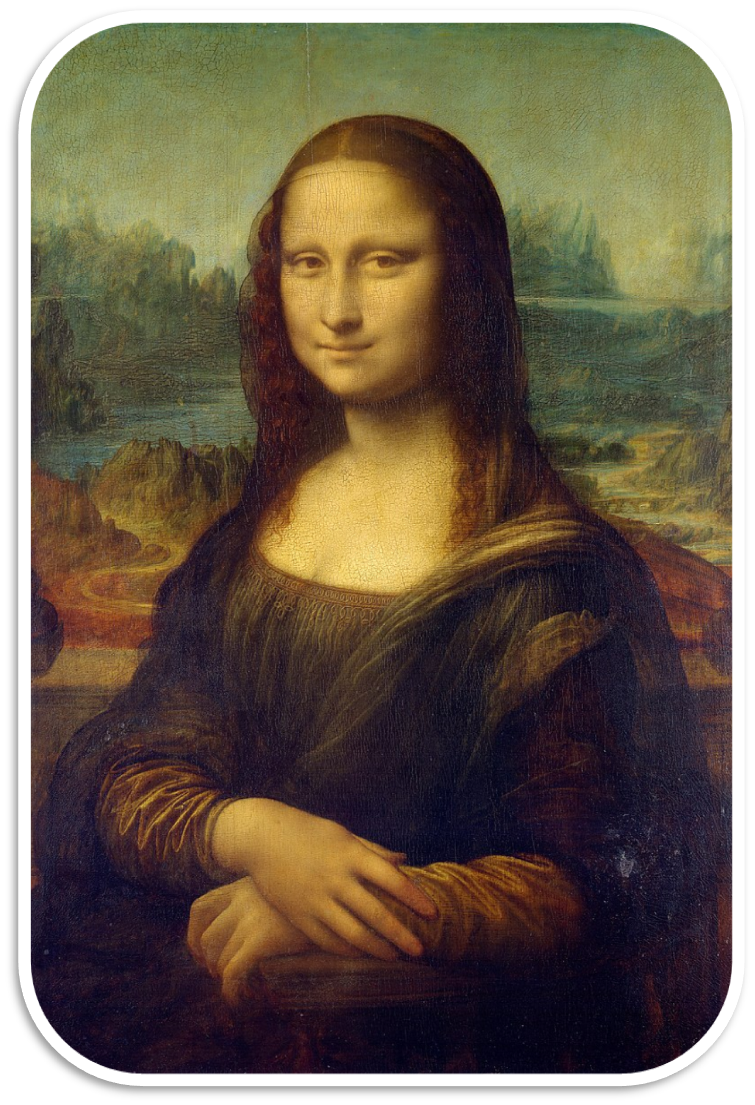
So, what is it that has so captivated the world’s interest since it was created more than 500 years ago? Questions arose even before Leonardo finished the painting. This being Leonardo – a man driven by insatiable curiosity, a man of many obsessions and skills – there are as many mysteries, questions, and disputes as there are of Leonardo himself!
Leonardo began working on the Mona Lisa in Florence in 1503. In fact, he never delivered the portrait. Instead, he continued working on for 16 years, making changes, adding tiny strokes and light layers. He carried it always with him, from Florence to Milan and Rome; and he would take it to France on the final leg of his life’s journey, where he died in 1517.
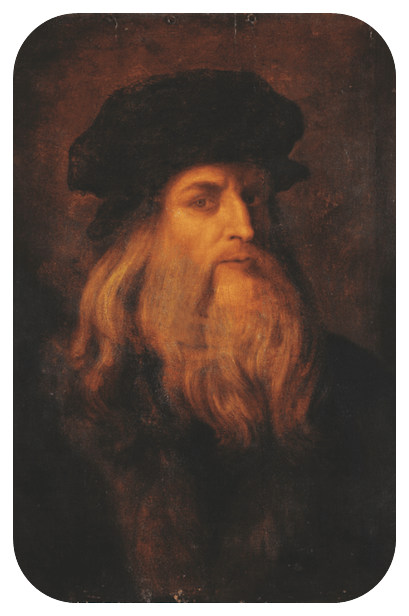
Throughout his career, Leonardo had immersed himself in studying the science of nature, light, shade and optics, colour, perspective, and new and innovative painting methods. Through this he developed theories about light and perspective, which he applied to his paintings.
He believed that nature has no hard outlines or edges, thus, his art is defined by his habit of the ‘Sfumato’ technique. Literally meaning ‘Smokey’ – he used few outlines – only hazy, undefined shadows and shading.
Is this part of the fascination of his work? Does it result in ambiguity? Why are we so uncertain of this portrait; Lisa’s smile, her thoughts, who she is? Even the landscape tricks and confuses the eye. It is not just her smile; her eyes compel us to look as she gazes – almost daringly – back at us as if enjoying an intimate conversation with the beholder.
In this presentation, I endeavour to unravel some of the mysteries of the painting – a work that is as mysterious as Leonardo himself!
 Unearthing Egyptology - Talks on Egyptology